South Australia-based renewables firm ZEN Energy has officially entered voluntary administration in Australia, marking a significant downturn for a company that was once positioned as a leader in Australia’s transition to green power. The decision comes after the company struggled to maintain financial viability, citing extreme wholesale electricity volatility as a primary driver for its collapse.
The company, which held a massive $1.5 billion contract to supply renewable energy to the South Australian government, has seen its retail operations cease, leading to an urgent transition of power services for essential state facilities.
Why Did ZEN Energy Enter Voluntary Administration?
The appointment of McGrathNicol as administrators follows a period of severe financial instability for ZEN Energy. Financial records reveal a stark trend of mounting losses, with the company reporting a deficit of $51.9 million in the 2023-2024 financial year, which ballooned to a staggering $133.6 million loss in 2025.
Despite attempts at restructuring and recapitalisation over recent months, the volatility of the wholesale energy market proved insurmountable. The legal catalyst for the administration was accelerated by a winding-up order initiated by SA Power Networks on June 26, 2026.
This legal action, scheduled for a hearing at the SA district federal court on August 5, 2026, underscored the deepening friction between the energy provider and its network partners.
Furthermore, the Australian Energy Regulator (AER) had recently granted conditional approval for ZEN Energy Retail to transfer its authorisation to ZEN Energy Retail Holdings—a move that was reportedly opposed by SA Power Networks.
What Happens to ZEN Energy’s $1.5 Billion Government Contract?
At the center of the fallout is the Across Government Electricity Retail Agreement, a deal worth approximately $1.53 billion intended to provide 100% renewable electricity to state government operations through 2035.
Due to the company’s collapse, the South Australian government has had to pivot rapidly to ensure the continuity of essential services. A government spokesperson confirmed that electricity supply to public authorities and essential services has not been interrupted.
However, all accounts previously managed by ZEN Energy have been transitioned to AGL, which is serving as the default electricity retailer of last resort (RoLR) under existing regulatory frameworks.
To ensure future stability and value for taxpayers, the SA government has officially launched a new procurement process to secure a permanent across-government electricity supplier.
Which Renewable Energy Projects Did ZEN Energy Fail to Complete?
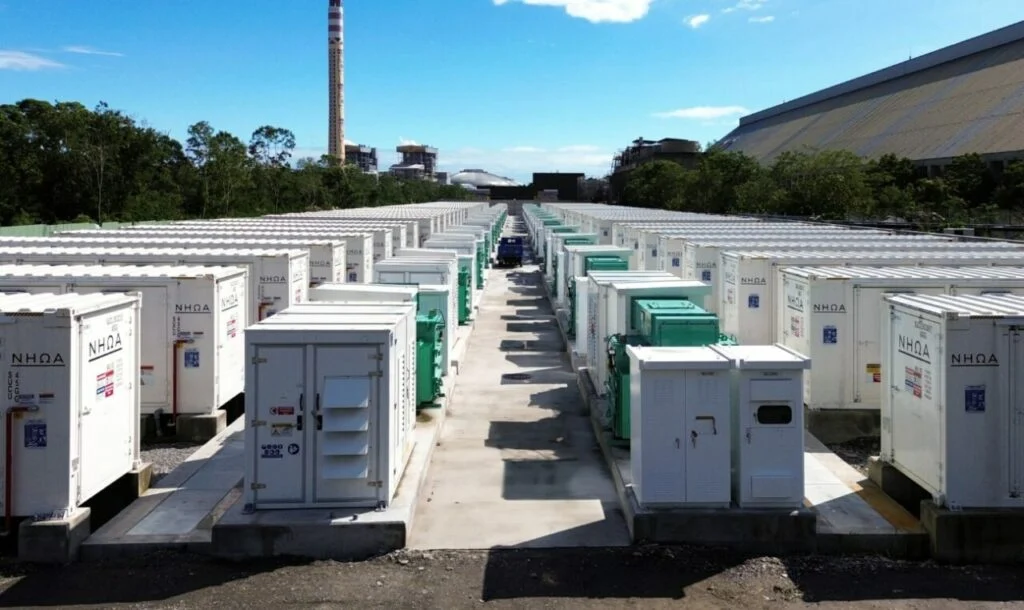
ZEN Energy’s downfall is not only marked by financial losses but also by a failure to deliver on key infrastructure commitments. Under its agreement with the state, the company was tasked with the construction and operation of several major projects. These included a 280MW solar farm at Cultana near Whyalla, slated for 2022, and a 100MW utility battery at Playford near Port Augusta, expected by 2023.
Reports indicate that these projects were stalled due to third-party financing issues, leaving the government without the promised capacity. This pattern of instability extended beyond South Australia; in 2025, ZEN Energy walked away from a planned renewable energy precinct in outback Queensland.
Despite these failures, the company did manage to complete the sale of its infrastructure asset business, which consisted of a diverse portfolio of renewable generation and storage assets, including solar farms in Renmark and Tailem Bend and the Waterloo wind farm in the Mid North.
Ross Garnaut’s Role in the Rise and Fall of ZEN Energy
The company’s trajectory has been marked by high-profile leadership shifts. Founded by renowned climate expert Ross Garnaut, the company was sold to Sanjeev Gupta, the former owner of the Whyalla steelworks, in 2017. However, Gupta sold the business back less than three years later.
In a final attempt to stabilize the firm, new leadership was introduced in early 2026. Ross Garnaut resigned from his role in February, and Mark Butcher was appointed as the new chair in May 2026.
Despite this change in governance, the combination of market volatility and legacy financial losses led to the current administration process.
The Path Forward Under McGrathNicol Administration
Joint administrators Rob Smith and Jason Preston of McGrathNicol are currently conducting an urgent assessment of ZEN Energy’s remaining business operations. The administration’s primary focus is to engage with key stakeholders—including employees, customers, and regulators—to determine a strategy that delivers the best possible outcome for creditors and staff.
The collapse serves as a cautionary tale regarding the risks associated with wholesale electricity market volatility and the challenges of securing third-party financing for large-scale renewable energy infrastructure.
As the company moves through the legal process of administration and potential winding-up, the focus remains on the stability of the South Australian energy grid and the procurement of a reliable new government energy partner.
Frequently Asked Questions
Why did ZEN Energy enter voluntary administration?
ZEN Energy entered voluntary administration primarily due to wholesale electricity volatility and significant financial losses, totaling over $185 million across the 2023-2025 financial years. These factors undermined the company’s viability as a going concern.
Will the South Australian government lose power due to ZEN Energy’s collapse?
No. The South Australian government has confirmed that electricity supply to facilities and essential services has not been interrupted. Services have been transitioned to AGL, the state’s default retailer of last resort.
Which ZEN Energy projects were not completed?
The company failed to deliver a 280MW solar farm near Whyalla and a 100MW utility battery near Port Augusta due to issues with third-party financing.
Who is currently managing ZEN Energy’s affairs?
McGrathNicol has been appointed as the administrator, with partners Rob Smith and Jason Preston overseeing the assessment of the business and stakeholder engagement.
What happens to the government’s $1.5 billion energy deal?
The original agreement with ZEN Energy is no longer viable. The South Australian government has commenced a new procurement process to find a replacement electricity supplier to ensure the best value for taxpayers.
What is Voluntary Administration ?
Voluntary administration is a legal process under Australian insolvency law that allows an independent administrator to assess whether a company can be restructured, sold, or wound up in the best interests of creditors.
News Sources – ABC News, PV Magazine Australia