A Chinese-owned oil tanker JV Innovation anchored near the Strait of Hormuz has come under attack linked to the ongoing Iran conflict, with crew members saying it remains unclear who was responsible for the strike.
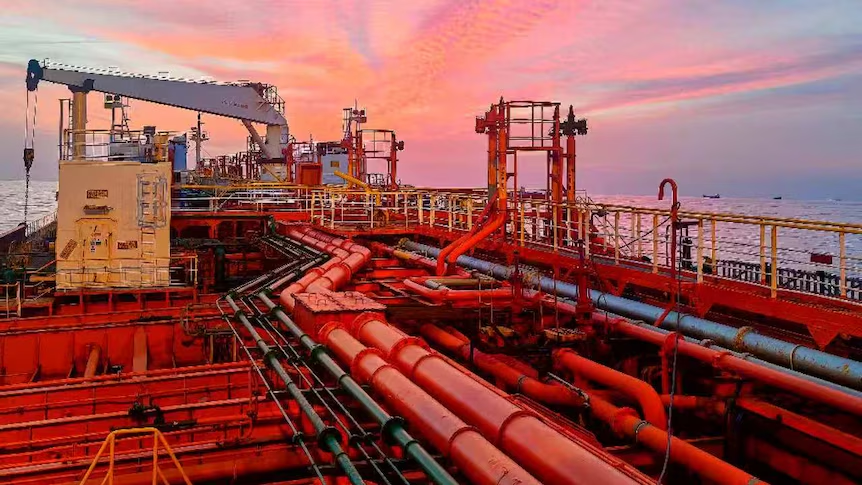
The Marshall Islands-flagged chemical and oil products tanker JV Innovation reported a fire on its deck earlier this week while positioned off the coast of the United Arab Emirates near Mina Saqr, on the Persian Gulf side of the strategic waterway.
Crew Left Shaken After Attack
Although the tanker remained operational following the incident, Liu described growing anxiety among sailors trapped in increasingly dangerous conditions around the Strait of Hormuz. He suggested the strike may not have involved a missile, pointing instead to the possibility of artillery fire or a drone attack. However, he stressed that the exact cause has not yet been determined.
“Everyone is quite worried now,” he said.
“After being attacked, people are very nervous.”
The JV Innovation is a 173-metre tanker built in 2004 and carries oil products and chemicals. According to Liu, there were 22 crew members onboard, including more than 10 Chinese nationals alongside seafarers from Myanmar and Indonesia.
The vessel’s AIS destination was reportedly listed as “CHINA OWNER.CREW”.
Hundreds of Ships Still Trapped
The JV Innovation reportedly remained anchored for an extended period, with marine growth accumulating on its hull due to the long delay.
Liu said the tanker made another attempt to pass through the strait on April 18 after Iranian authorities announced that shipping routes had reopened. However, many vessels were allegedly still denied passage and ordered to turn back.
“As soon as news of the full reopening of the strait was announced, many vessels rushed to sail out,” he said.
“However, in reality, ships without permission were still being ordered by the Iranian navy to turn back.”
The ongoing crisis has left hundreds of commercial vessels stranded inside the Gulf, disrupting global shipping traffic and raising concerns across international energy markets.
According to statistics from the United Kingdom Maritime Trade Operations (UKMTO), there have been 26 attack reports in the Persian Gulf and around the Strait of Hormuz since the Iran conflict escalated on February 28.
Oil Tankers Operating Under Extreme Risk
Liu warned that conditions for tanker crews had become increasingly dangerous, especially for ships transporting highly flammable cargo.
“Anyone who operates oil tankers or carries flammable and explosive chemicals knows that sailing fully loaded is like carrying a massive bomb on your back,” he said. “You can’t afford even the slightest mistake.”
Despite mounting tensions, Chinese authorities have not officially confirmed any attacks involving Chinese vessels.
The incident also unfolded during a diplomatic visit by Iranian Foreign Minister Abbas Araghchi to China, where discussions reportedly included the reopening of the Strait of Hormuz.
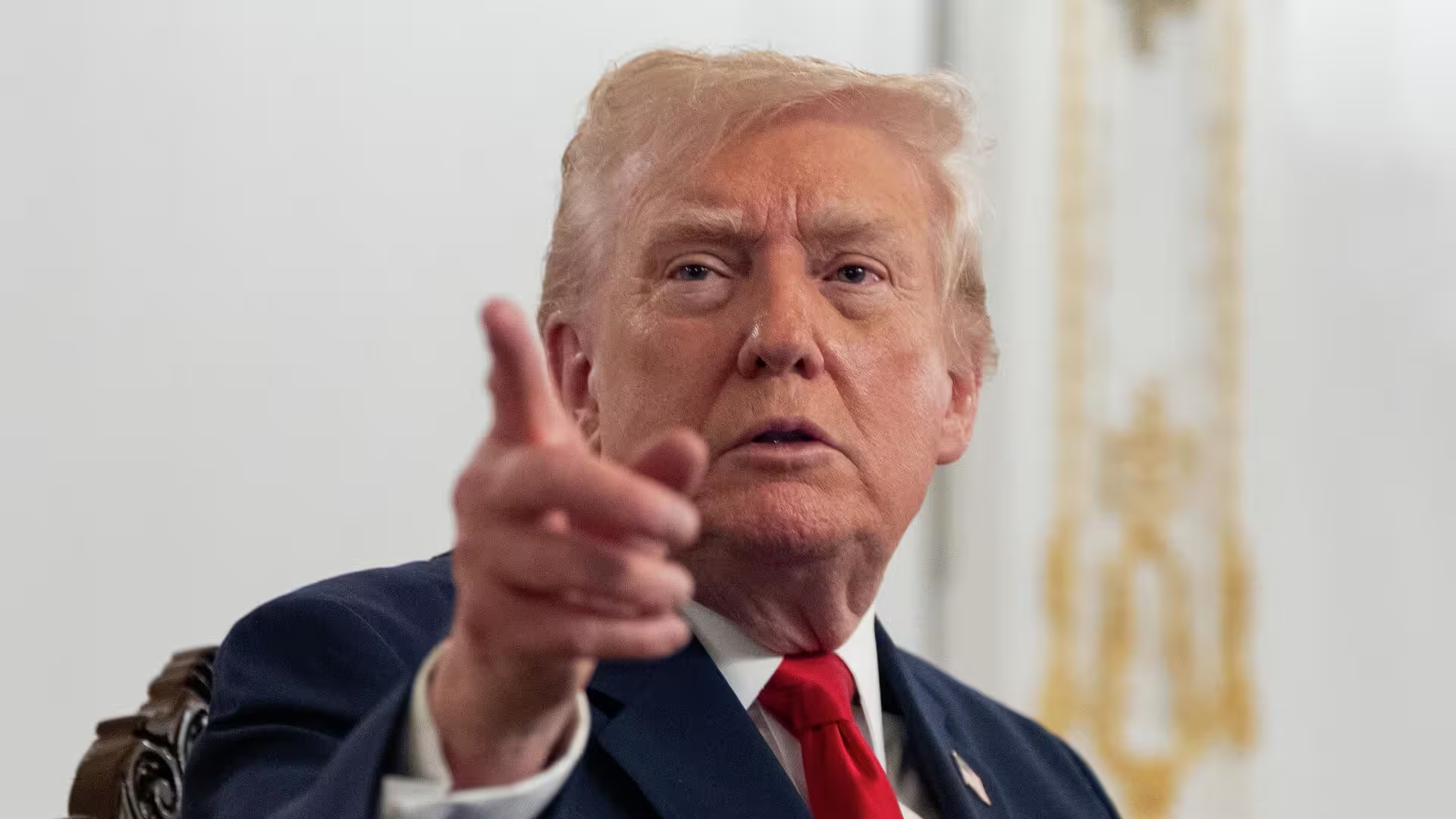
Meanwhile, US President Donald Trump is expected to travel to Beijing next week for talks with Chinese President Xi Jinping, with the Iran conflict and maritime security likely to feature prominently on the agenda.
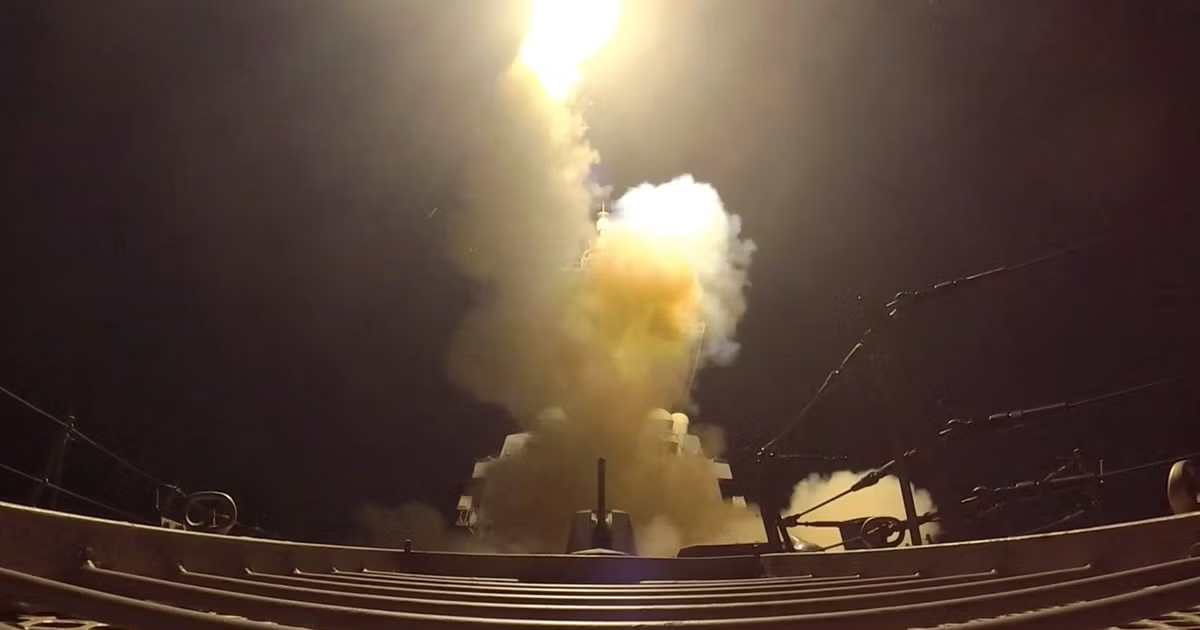
The United States had briefly announced efforts to assist ships stranded near Hormuz, though the initiative was reportedly paused after Iran launched drones and missiles at multiple targets, including vessels and neighbouring countries such as the United Arab Emirates.
As uncertainty continues to grow in the Gulf region, shipping crews remain caught in a tense and unpredictable situation, with many vessels still unable to safely exit the area.