Israel launched a fresh attack on Beirut’s southern suburbs, marking a significant expansion of military operations in Lebanon despite a ceasefire agreement with Hizbollah last month. The latest attack has intensified fears of renewed conflict in the region, as civilian casualties continue to rise and both sides exchange accusations of violating the truce.
Israel – Lebanon War – Israeli Air Strike Hits Beirut’s Southern Suburbs
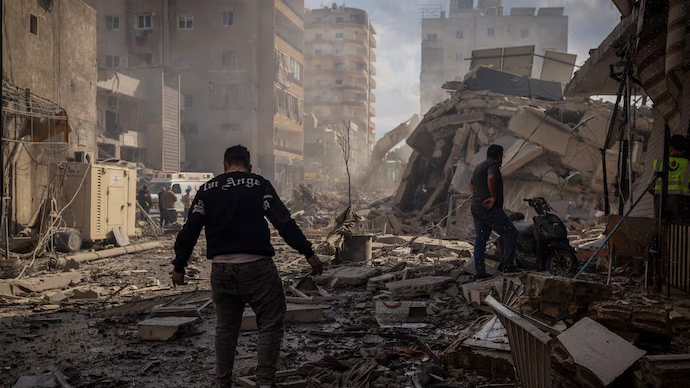
On Wednesday evening, Israeli forces targeted an apartment building near the Haret Hreik district in southern Beirut, according to Lebanon’s state news agency. The strike marked the first Israeli attack on the Lebanese capital since April 8, when large-scale bombardments devastated parts of Beirut and other Lebanese regions and killed more than 300 people.
Israeli Prime Minister Benjamin Netanyahu and Defence Minister Israel Katz stated that the operation was aimed at a commander of Hizbollah’s elite Radwan unit. Israeli officials defended the strike by saying the military would continue operations to ensure security for residents in northern Israel who have faced repeated attacks from Hizbollah.
The Lebanese Health Ministry did not immediately confirm casualties following the latest strike, but concerns are growing over the humanitarian impact of continued violence.
Israel – Lebanon War – Ceasefire Under Pressure
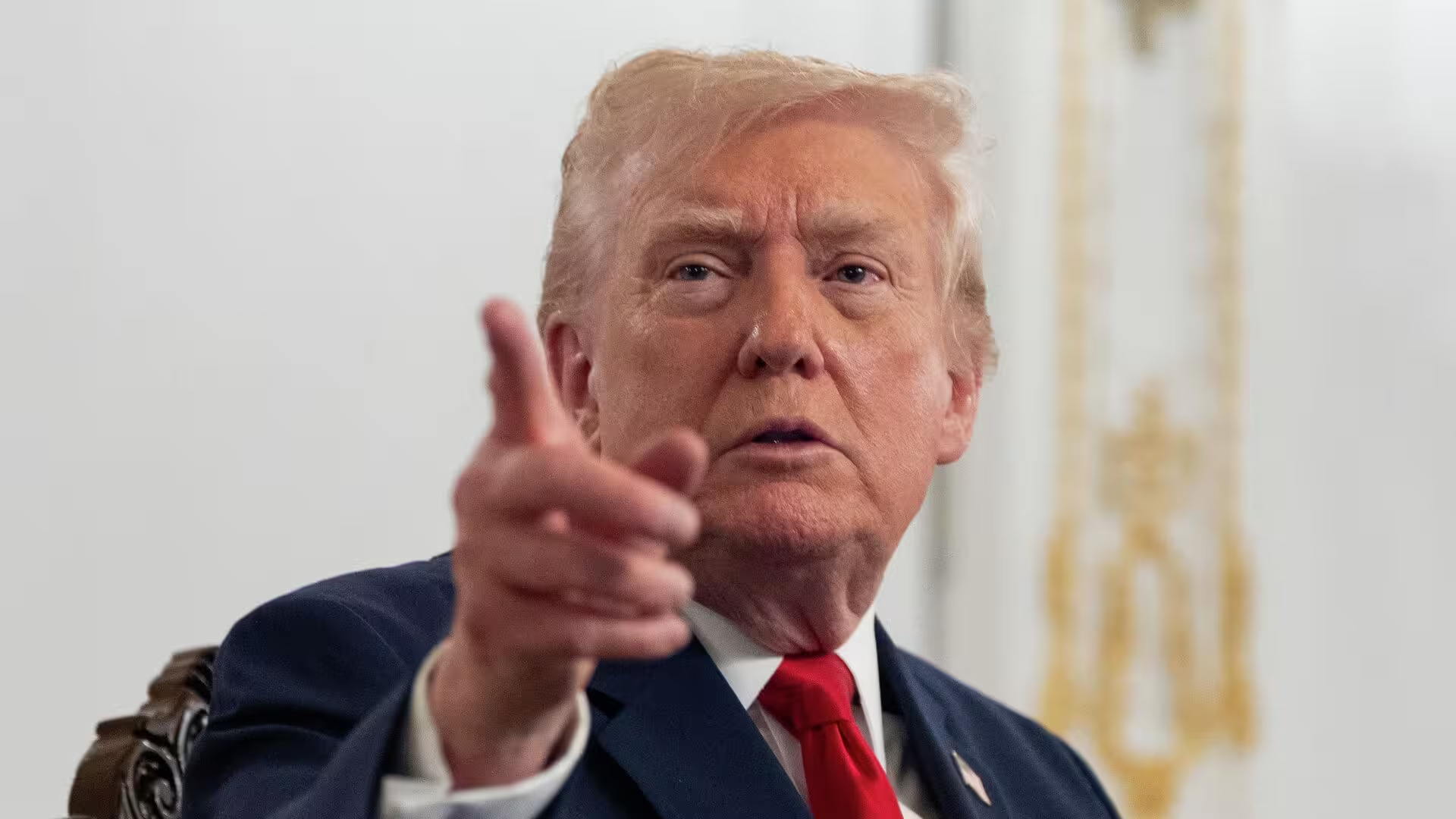
Israel and Lebanon agreed to a ceasefire last month following international pressure, particularly from US President Donald Trump. The agreement was intended to pause months of escalating violence between Israeli forces and Hizbollah fighters.
However, despite the truce, Israeli air strikes have continued almost daily across Lebanon, especially in southern regions. Israel argues that the ceasefire terms allow military action against Hizbollah targets considered immediate threats.
The situation has remained unstable as Hizbollah has also carried out attacks on Israeli positions and launched rockets and drones toward northern Israel. The Iran-backed militant group claims its operations are responses to Israeli ceasefire violations.
Israel – Lebanon War – Rising Death Toll in Lebanon
Since the ceasefire began, Israeli strikes in Lebanon have reportedly killed nearly 100 people. According to Lebanese authorities, victims include civilians, journalists, women, children, and emergency responders.
One of the deadliest recent incidents occurred in the village of Jibchit, where an Israeli strike reportedly killed an entire family, including parents and their two children. Additional attacks across southern Lebanon on the same day resulted in at least 15 more deaths.
Overall, more than 2,700 people in Lebanon have reportedly been killed since fighting intensified in March. Israeli authorities say 17 soldiers and three civilians have also lost their lives during the conflict.
Southern Lebanon Remains Highly Volatile
Israeli forces continue to maintain a “security zone” extending around 10 kilometres into Lebanese territory. Residents in several villages have been warned not to return home, while evacuation orders remain in place for multiple southern Lebanese communities.
On Wednesday, the Israeli military issued new evacuation warnings for 12 villages in southern Lebanon, reviving fears among displaced families who had hoped to return after the ceasefire agreement.
The conflict has already displaced more than 1.2 million people during previous phases of the war, creating severe humanitarian and economic challenges for Lebanon.
Why the Israel-Lebanon Conflict Matters
The renewed strikes on Beirut highlight the fragile nature of the current ceasefire and the broader instability in the Middle East. Analysts warn that continued escalation between Israel and Hizbollah could trigger a wider regional conflict involving Iran and other armed groups.
International observers are closely monitoring developments, with growing calls for diplomatic intervention to prevent further civilian casualties and regional destabilisation.
As both sides continue military operations despite the ceasefire agreement, the prospect of long-term peace between Israel and Hizbollah remains uncertain.