
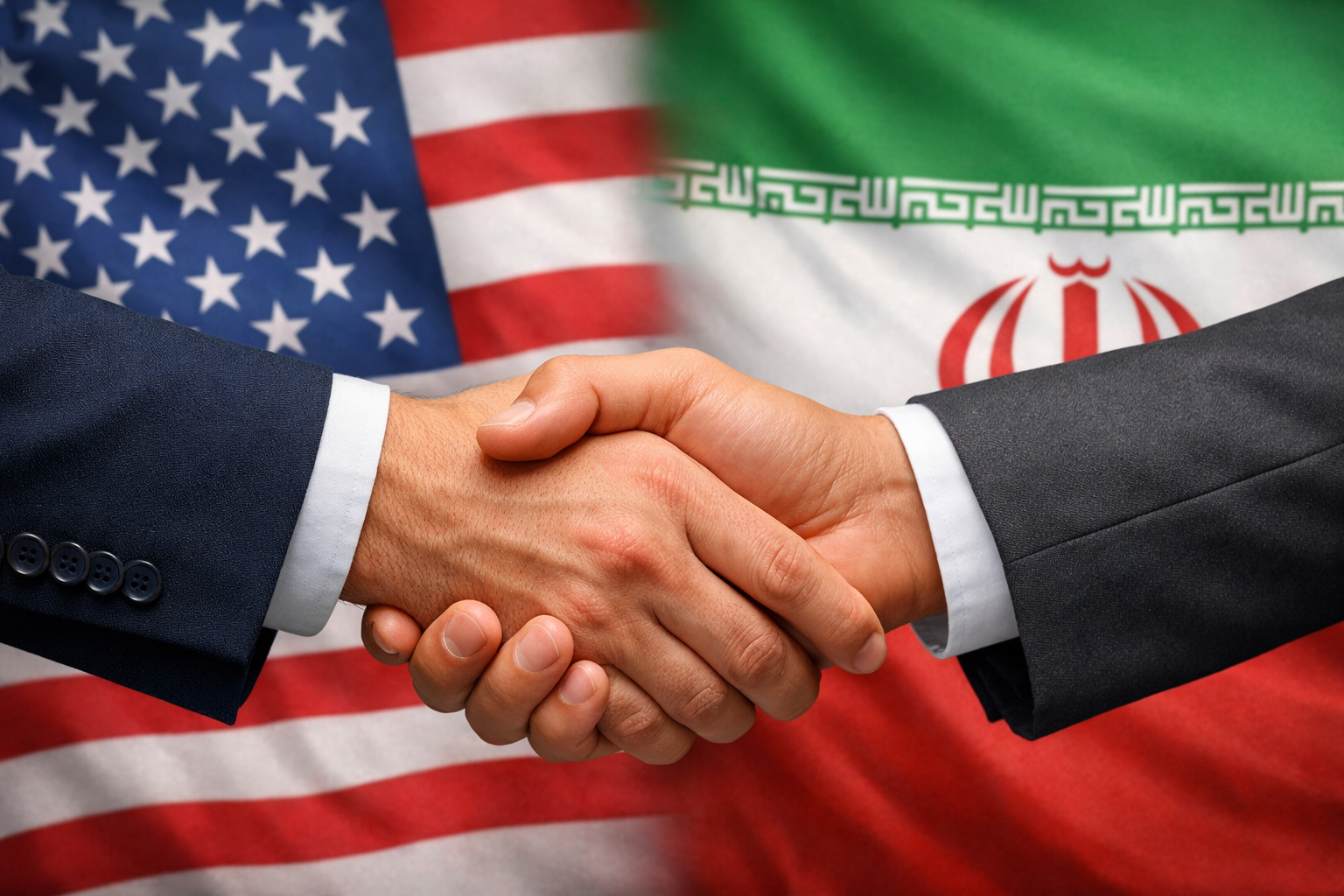
In a major diplomatic breakthrough, the US and Iran have reached a ceasefire agreement to terminate military hostilities and reopen the Strait of Hormuz. The deal, announced on June 15, 2026, aims to stabilize the global economy by restoring the flow of oil and gas through one of the world’s most critical shipping lanes. After three months of intense conflict and a naval blockade that sent global energy prices soaring, both nations have committed to a memorandum of understanding that paves the way for a formal signing ceremony in Switzerland this Friday, June 19.
Diplomatic Breakthrough: The Road to the Islamabad Memorandum
The agreement comes after exhaustive mediation efforts led by Pakistani Prime Minister Shehbaz Sharif, with significant support from the State of Qatar, Saudi Arabia, and Türkiye.
According to Prime Minister Sharif, the deal mandates the immediate and permanent cessation of military operations across all fronts, including the volatile conflict in Lebanon. The official document, referred to as the Islamabad Memorandum of Understanding, was finalized following 17 hours of intensive negotiations in Tehran by Qatari diplomats.
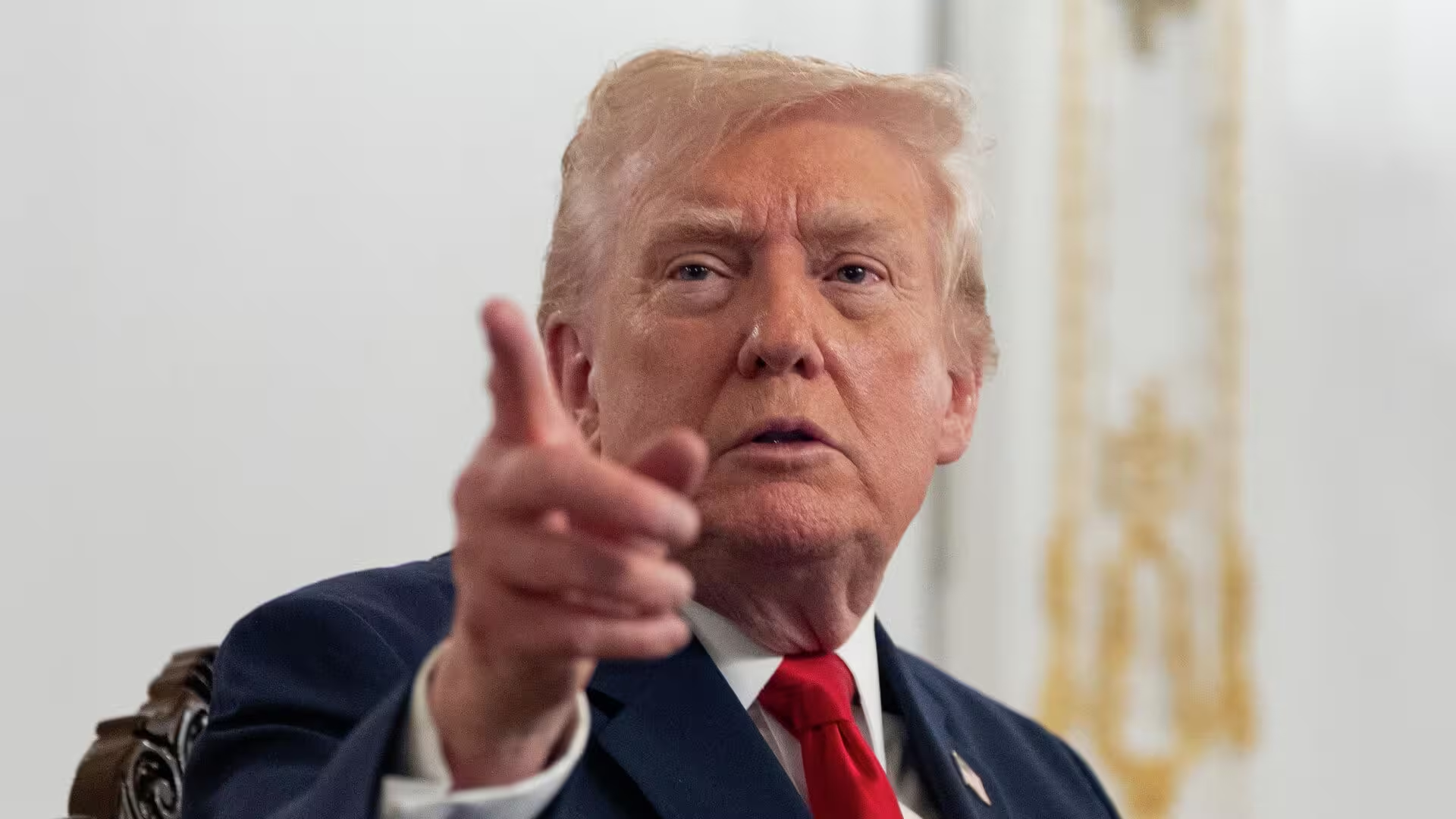
US President Donald Trump, announcing the news on his Truth Social platform, emphasized that the deal would ensure the Strait of Hormuz remains “permanently toll-free” and authorized the removal of the US naval blockade of Iranian ports. While initial announcements suggested an immediate opening, the President later clarified that the official reopening for mine removal and shipping would coincide with the signing of the deal on Friday.
Key Terms and Conditions of the Ceasefire
While the full text of the memorandum has not yet been released, several core components have emerged from official statements and diplomatic leaks:
- Maritime Access: The US will lift its naval blockade, and Iran will end its restriction on the Strait of Hormuz, allowing the roughly 20% of global oil and gas supplies that transit the waterway to flow again.
- Military Cessation: Both parties have agreed to end hostilities on all fronts. However, this remains a point of tension as Israel—which was not a party to the negotiations—has continued airstrikes in Beirut’s southern suburbs.
- Financial Incentives: Iranian officials, including Deputy Foreign Minister Kazem Gharibabadi, state that the next phase of negotiations is contingent upon the US releasing billions of dollars in frozen Iranian assets. Conversely, US officials have described the arrangement as “pay for performance,” insisting that funds will only be released as Iran meets its commitments.
- Nuclear Status Quo: In the short term, Iran has reportedly agreed to maintain the nuclear status quo, avoiding further uranium enrichment or the expansion of nuclear facilities.
The 60-Day Window: Nuclear Negotiations and Sanctions
The Friday signing is not a final peace treaty but a gateway to a critical 60-day negotiation period. These upcoming technical talks will focus on the most contentious issues of the conflict: Iran’s nuclear program and the lifting of international sanctions.
The US aims for a long-term, verifiable prohibition on nuclear enrichment to ensure Iran never acquires a nuclear weapon. US officials have indicated that a final deal should involve the destruction and removal of Iran’s stockpile of highly enriched uranium. Iran, while denying the pursuit of a bomb, seeks comprehensive sanctions relief and the restoration of its economy, which has been severely throttled by the war and the naval blockade.
President Trump has maintained a hard line, stating in an interview with the New York Times that if Tehran fails to reach a satisfactory nuclear accord, the US may restart military operations or assume a “guardian” role in the Middle East in exchange for a portion of the region’s revenues.
Regional Reactions and Global Economic Impact
Global markets responded swiftly to the news, with Brent crude and US crude prices tumbling to their lowest levels since early March. However, energy experts warn that a full recovery of oil flows may take months, as shipping companies and insurers require proof of sustained stability before resuming full operations. Some estimates suggest full flows may not return until early 2027 due to infrastructure damage from drone attacks.
International leaders, including UK Prime Minister Keir Starmer and French President Emmanuel Macron, have welcomed the deal. The “E4” grouping (UK, France, Germany, and Italy) expressed readiness to support mine-clearance operations in the Strait and to lift sanctions provided Iran takes verifiable steps regarding its nuclear program.
The role of Israel remains the primary wildcard. Prime Minister Benjamin Netanyahu has not officially commented on the deal, and President Trump has publicly criticized the Israeli leader for military actions in Lebanon that nearly derailed the diplomatic process. There are concerns that continued fighting between Israel and Hezbollah could torpedo the fragile US-Iran ceasefire.
Conclusion
The agreement between the United States and Iran represents a significant attempt to revert the Middle East to a pre-war status quo and prevent a total global energy collapse. By decoupling the immediate need for maritime freedom in the Strait of Hormuz from the complex, long-term struggle over nuclear proliferation, the mediators have created a narrow window for peace. The success of this “Great Deal,” as President Trump calls it, now hinges on the formal signing in Switzerland and the willingness of both Tehran and Washington to navigate the high-stakes negotiations over the next two months.
Frequently Asked Questions (FAQ)
When will the US-Iran peace deal be officially signed?
The official signing ceremony for the memorandum of understanding is scheduled for Friday, June 19, 2026, in Switzerland.
What is the significance of the Strait of Hormuz?
The Strait of Hormuz is a vital waterway through which approximately 20% of the world’s oil and gas supplies pass. Its closure during the conflict caused a historic energy crisis and spiked global fuel prices.
Will the US Iran deal stop the fighting in Lebanon?
The agreement includes the termination of military operations on all fronts, including Lebanon. However, since Israel was not a direct party to the negotiations, its continued military actions against Hezbollah pose a risk to the ceasefire’s stability.
What happens if the nuclear negotiations fail?
President Trump has indicated that if a final nuclear accord is not reached within the 60-day negotiation window, the US may restart military operations against Iran.
Who mediated the agreement between US and Iran?
The deal was primarily mediated by Pakistani Prime Minister Shehbaz Sharif, with critical support and assistance from the State of Qatar, Saudi Arabia, and Türkiye.

One thought on “US and Iran reach historic Peace Deal to Reopen Strait of Hormuz”