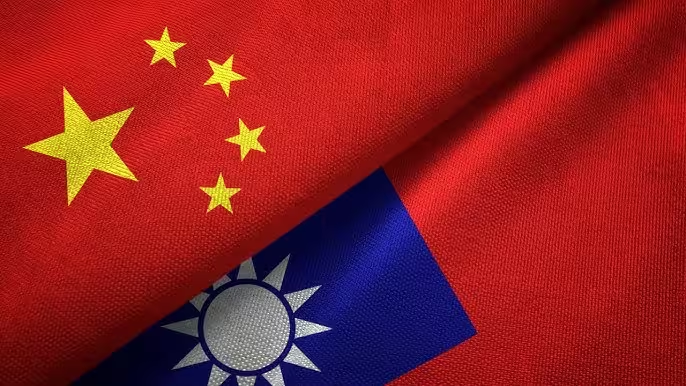
China-Taiwan tensions have intensified after Beijing introduced a new maritime strategy aimed at expanding its administrative control beyond the Taiwan Strait to waters east of Taiwan. The policy, described by Chinese state media as “near-shore governance,” relies on coast guard and civilian law-enforcement operations instead of traditional military exercises to strengthen China’s territorial claims.
The move has drawn diplomatic protests from Australia and criticism from the United States and several European countries, while Taiwan has responded by launching its largest civil defense and wartime preparedness drills, simulating invasion, cyberattacks, and infrastructure disruptions.
China’s New Maritime Strategy Near Taiwan Explained
Beijing has moved beyond traditional military drills to implement a strategy of “near-shore governance,” which aims to expand Chinese authority from the Taiwan Strait to the waters off Taiwan’s east coast. According to Chinese state media, including CCTV, this approach treats these distant waters as China’s “near shore,” allowing for increased regulation of commercial traffic and maritime activities.
In June 2026, China launched what it termed a “special maritime traffic law-enforcement operation.” During this period, Chinese coast guard vessels inspected 198 passing vessels and “rectified” three ships that Beijing claimed violated its regulations. This operation was reportedly triggered by maritime boundary talks between Japan and the Philippines, which China viewed as an encroachment on its claimed waters.
Security experts suggest that this shift toward non-military coercion—utilizing the Maritime Bureau, fishery administration, and scientific research vessels—is a calculated move.
By targeting commercial shipping and asserting administrative control, Beijing can maintain a constant presence in the region more cost-effectively than through periodic, large-scale military exercises.
International Response to Chinese Maritime Activities
The international community has reacted with concern to these developments, viewing them as a threat to global trade and the established international order. Australia has been particularly vocal, with the Department of Foreign Affairs and Trade confirming that Canberra has raised concerns directly with Chinese officials. Australia’s position emphasizes the necessity of “peace and stability, unimpeded trade, and freedom of navigation,” opposing any unilateral attempts to change the status quo across the Taiwan Strait.
Adding to the diplomatic pressure, the United Kingdom, France, and Germany issued a rare joint statement stressing that the safety of seafarers and the freedom of navigation must be guaranteed. Similarly, the United States described Beijing’s actions as “deeply destabilising,” explicitly rejecting any Chinese claim of authority to interfere with the lawful use of the sea, including the laying of cables and overflight rights.
Taiwan Conducts Massive Civil Defence and Invasion Drills
As the pressure from Beijing intensifies, Taiwan has shifted its internal focus toward “societal resilience.” In Nantou County, the government recently conducted a massive wartime preparedness exercise simulating a cascading national emergency.
Unlike previous drills, which were often criticized as symbolic, this “doomsday” scenario was designed to be hyper-realistic, exposing critical weaknesses in the island’s infrastructure.
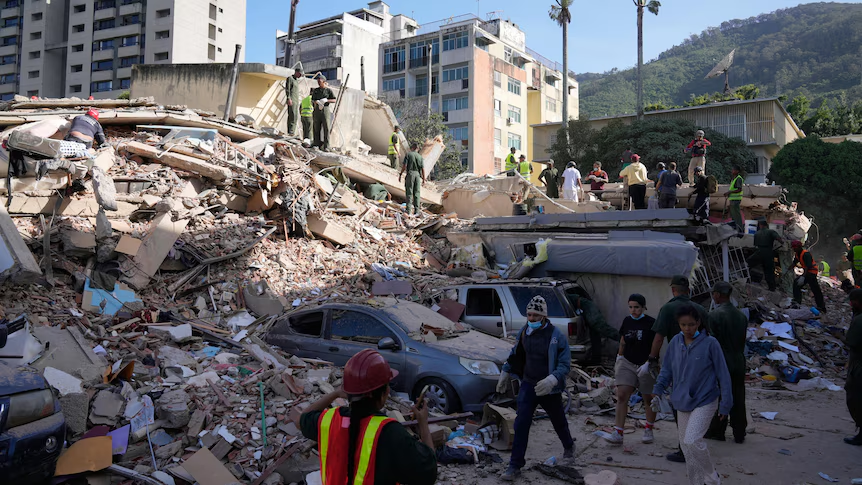
The simulated crisis began with a dual catastrophe: a Chinese naval blockade coinciding with a magnitude 6.8 earthquake. The scenario then escalated into a multi-dimensional assault involving:
- Cyber Warfare: Simulated attacks on official networks and the hijacking of television broadcasts.
- Information Warfare: The use of AI-generated disinformation and Chinese propaganda spread through social media and leaflets.
- Physical Sabotage: Drone strikes on emergency response headquarters and attacks on power stations.
- Civil Unrest: Managing public order and essential services amidst widespread infrastructure failure.
The exercises focused heavily on the integration of civilian and military efforts. This included moving hospital operations underground, testing backup government facilities, and using Nantou County as a strategic logistical rear base for civilians fleeing frontline regions.
Also Read – China Can Now Strike Australian Mainland: Lowy Institute Warns
Why Taiwan is Building Civilian Resilience Against a Possible Chinese Invasion
Taiwan’s strategy, led by President Lai Ching-te, draws significant lessons from contemporary conflicts in Ukraine and the Middle East.
The core philosophy is that military readiness alone is insufficient; the civilian government, businesses, and communities must be capable of functioning under sustained attack.
Lin Fei-fan, deputy secretary-general of Taiwan’s National Security Council, stated that demonstrating such resilience serves as a form of deterrence. By proving that Taiwanese society can withstand and operate during a conflict, Taipei aims to signal to Beijing that any attempt to seize the island by force would be prohibitively costly and likely unsuccessful.
Despite these preparations, officials admit there are still significant shortcomings in resources. The drills revealed gaps in the availability of food supplies, infant formula, and medical resources, highlighting the urgent need for further logistical planning.
China-Taiwan Tensions Continue to Escalate
The cycle of provocation continues as Beijing reacts to Taipei’s preparedness. While Taiwan conducted its resilience drills, China simultaneously launched combat readiness patrols featuring warships and at least 22 military aircraft, including nuclear-capable H-6 bombers.
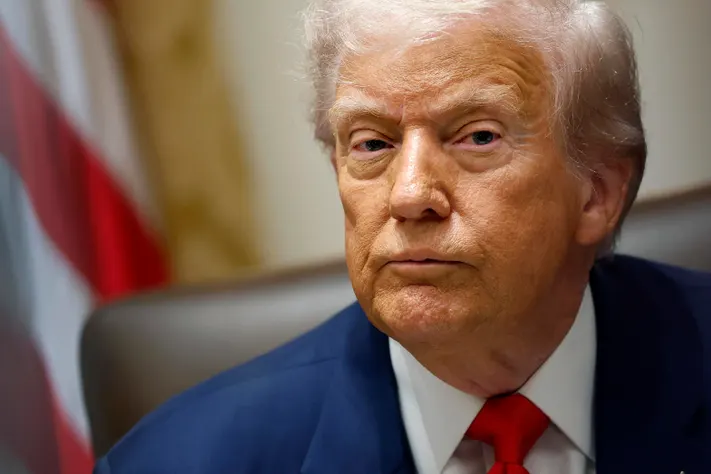
Beijing has characterized President Lai as a “creator of crises” and has urged the United States to handle Taiwan-related matters with “the utmost caution.”
Taiwan continues to reject China’s sovereignty claims, asserting that the future of the island remains the sole decision of its 23 million citizens. With the introduction of “near-shore governance,” the flashpoint for the next crisis may not be a missile test, but a disputed boundary negotiation or the harassment of a commercial merchant ship.
Frequently Asked Questions
What is China’s “near-shore governance” strategy?
It is a strategic shift where Beijing expands its administrative and law-enforcement jurisdiction beyond the Taiwan Strait to the waters east of Taiwan, using coast guard and civilian vessels to assert sovereignty over commercial shipping and maritime traffic.
How did Australia respond to China’s maritime operations?
Australia has raised its concerns directly with Chinese officials, emphasizing its commitment to freedom of navigation, unimpeded trade, and the maintenance of the status quo in the Taiwan Strait.
What happened during Taiwan’s recent wartime exercises?
Taiwan simulated a complex emergency involving a naval blockade, a major earthquake, cyberattacks, and a full-scale invasion. The drills tested the island’s ability to maintain government functions and public services under extreme pressure.
Why is Taiwan focusing on “societal resilience”?
Drawing from the war in Ukraine, Taiwan believes that civilian readiness—such as decentralized command and resilient communications—is critical to deterring an invasion by making a conflict too costly for the aggressor.
Which countries have expressed concern over China’s actions near Taiwan?
In addition to Australia and the United States, the United Kingdom, France, and Germany have issued joint statements condemning the interference with navigational rights and freedoms.
News Sources – ABC News, Politics Today