
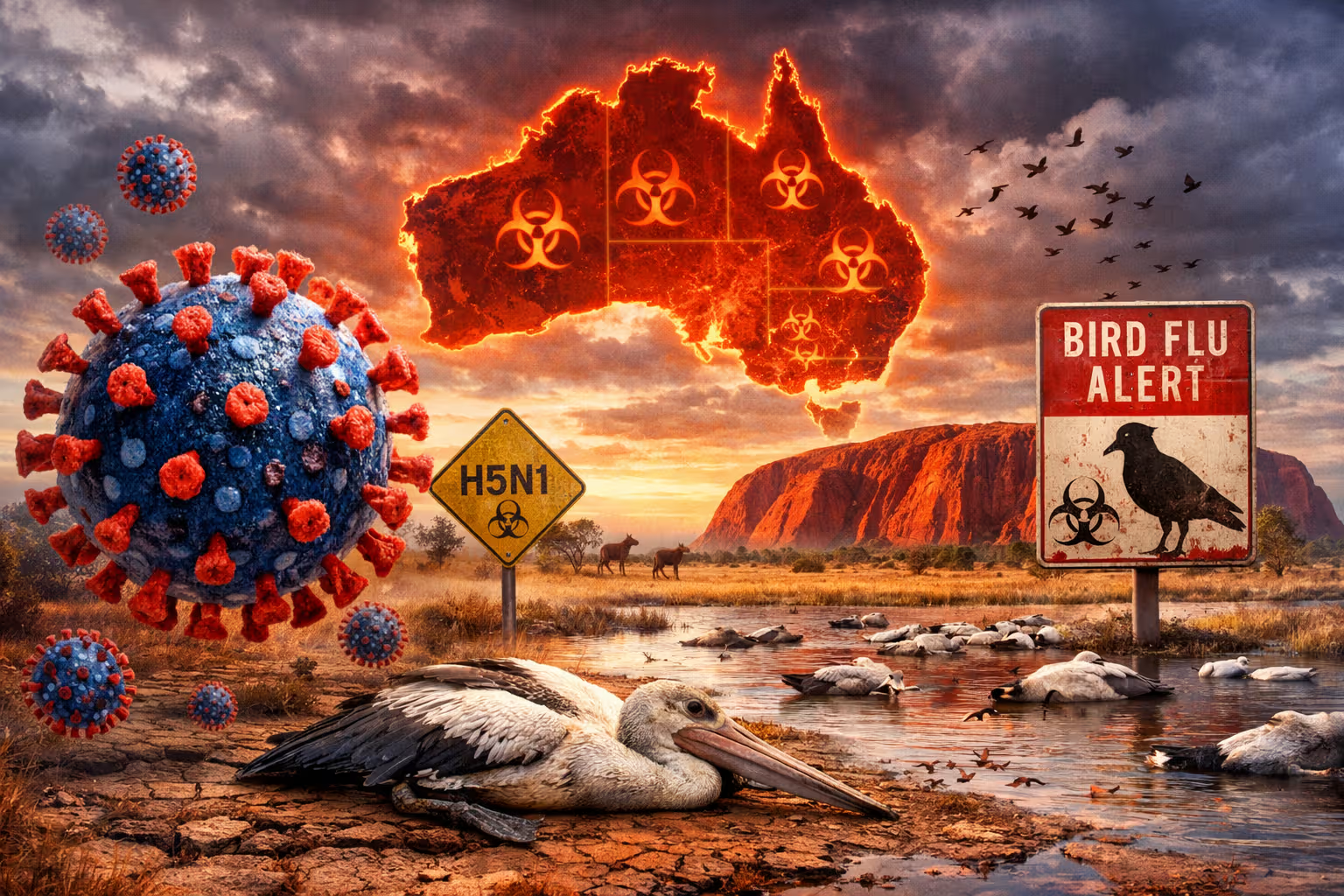
Australia has confirmed the presence of H5N1 Bird Flu in a brown skua bird found on remote beach at Cape Le Grand National Park near Esperance, Western Australia. The detection means that the H5N1 virus, which has killed millions of birds around the world and caused outbreaks in numerous countries, has now reached Australia.
What is H5N1 Bird Flu (Avian Influenza)?
H5N1 bird flu, also known as avian influenza, is a highly contagious viral disease that primarily affects wild birds and poultry. The virus belongs to the Influenza A family and is considered one of the most dangerous strains because it can cause severe illness and high mortality rates in infected birds.
First identified in the late 1990s, H5N1 has since spread across Asia, Europe, Africa, North America, and South America, leading to the deaths of millions of domestic and wild birds. While human infections remain rare, health authorities closely monitor the virus because of its potential to mutate and adapt to new hosts.
Unlike seasonal flu viruses, H5N1 is mainly transmitted among birds through direct contact with infected animals, contaminated water sources, droppings, feathers, and respiratory secretions.
What Are the Symptoms of H5N1 Bird Flu? How Is It Detected?
Symptoms in Birds
Birds infected with H5N1 may show a range of symptoms, including:
- Sudden and unexplained death
- Lack of energy and reduced movement
- Swelling around the head, neck, and eyes
- Difficulty breathing or coughing
- Loss of appetite
- Diarrhea
- Reduced egg production in poultry
- Neurological signs such as tremors or loss of coordination
Symptoms in Humans
Although uncommon, human infections can occur through close contact with infected birds. Symptoms may include:
- High fever
- Cough and sore throat
- Muscle aches
- Fatigue
- Breathing difficulties
- Pneumonia in severe cases
How Did H5N1 Bird Flu Enter Australia?
Experts believe the virus most likely arrived through migratory wild birds that travel thousands of kilometres between continents. Australia lies along important migratory pathways used by several seabird species that move between Asia, Antarctica, and the Pacific region.
The infected brown skua discovered at Cape Le Grand National Park is a migratory seabird capable of travelling vast distances. Wildlife authorities have long warned that migratory birds represented the most likely pathway for H5N1 to eventually reach Australia.
While investigations are continuing, the detection suggests the virus may have been introduced naturally through infected wild birds rather than through commercial poultry imports.
Global Impact of the H5N1 Avian Influenza
The H5N1 virus has reached every continent, affecting both wild populations and domesticated animals globally. Between July 2025 and March 2026, the World Health Organization (WHO) documented:
-
1,204 outbreaks in domestic poultry
-
6,326 cases in wild bird populations
-
9 outbreaks among cattle
Poultry Industry Hard Hit
According to World Organization for Animal Health (WOAH) data highlights the severe toll on agriculture –
- In March 2026 alone, approximately 5.61 million poultry birds died or were culled, primarily across Europe and the Americas.
- In single month, WOAH recorded 95 new poultry outbreaks spanning 18 nations and territories—including Japan, Argentina, Bulgaria, Denmark, Nepal, and Nigeria.
- An additional 335 outbreaks were reported in non-poultry wildlife across 29 countries and territories.
According to researcher Dr. Wille, the virus poses a catastrophic threat to global agriculture. For instance, the United States has been forced to cull over 200 million chickens since the virus arrived, destroying a massive portion of the food supply intended for human consumption.
Impacts of H5N1 Bird Flu in Australia
The arrival of H5N1 raises concerns for Australia’s wildlife, agricultural sector, and biosecurity systems.
Threat to Native Wildlife
Australia is home to many unique bird species that have never been exposed to the H5N1 strain. Conservationists fear significant losses among seabirds, shorebirds, and other vulnerable native species if the virus spreads.
Risk to Poultry Industry
An outbreak in commercial poultry farms could result in large-scale culling operations, production losses, and trade restrictions. Australia’s poultry industry is worth billions of dollars annually and plays a critical role in national food security.
Economic Consequences
Disease control measures, surveillance programs, and potential impacts on exports could impose significant costs on governments and agricultural producers.
Public Health Concerns
Although the risk to the general public remains low, authorities continue to monitor the situation closely to ensure the virus does not spread beyond bird populations.
What Steps Has the Australian Government Taken?
Australian federal and state authorities have activated a coordinated response aimed at containing the virus and protecting wildlife and agriculture.
Key measures include:
- The federal government has invested approximately A$113 million in H5N1 Bird Flu preparedness and response measures, including recent funding allocations specifically for H5N1 readiness.
- Officials have developed more than 100 species-specific response plans to help protect endangered birds, marine mammals, and other wildlife that could be vulnerable to the virus.
- Australia has begun vaccination efforts for certain vulnerable wildlife species as part of its preparedness strategy
- Increasing surveillance of wild bird populations across the country.
- Strengthening biosecurity measures at poultry farms.
- Restricting movement of potentially infected birds and materials when necessary.
- Providing guidance to farmers, veterinarians, and the public on reporting unusual bird deaths.
Authorities have also urged the public to avoid handling sick or dead birds and to report suspected cases to local wildlife or biosecurity agencies.
Is there a risk to Human from H5N1 Bird Flu / Avian Influenza ?
Health authorities currently consider the risk to the general public to be low. However, people are advised to avoid direct contact with sick or dead birds, practice good hygiene, and seek medical advice if they develop flu-like symptoms after exposure to infected animals.
Conclusion –
The detection of H5N1 in Western Australia marks a significant biosecurity event for the country. While the risk to the public remains low, authorities are closely monitoring the situation to prevent the virus from spreading to native wildlife and poultry farms. The coming weeks will be critical in determining whether the case remains isolated or signals a wider outbreak.
Frequently Asked Questions (FAQs)
What should people do if they find a sick or dead bird?
People should avoid touching sick or dead birds and report them to local wildlife or biosecurity authorities. Anyone who has had contact with potentially infected birds should wash their hands thoroughly and monitor for symptoms.
Is H5N1 bird flu deadly?
H5N1 is considered one of the most dangerous avian influenza strains because it can cause severe disease and high mortality rates in birds. Human cases are uncommon but can be serious.
Is it safe to eat chicken and eggs during a bird flu outbreak?
According to health experts, properly cooked poultry and eggs remain safe to eat. Cooking at recommended temperatures destroys influenza viruses and other harmful pathogens.
Read Also – H5N1 Bird Flu Australia: First Mainland Case Confirmed in Western Australia



2 thoughts on “Explained – H5N1 Bird Flu Reaches Australia, How it Spread, Symptoms, Risks and Impact”