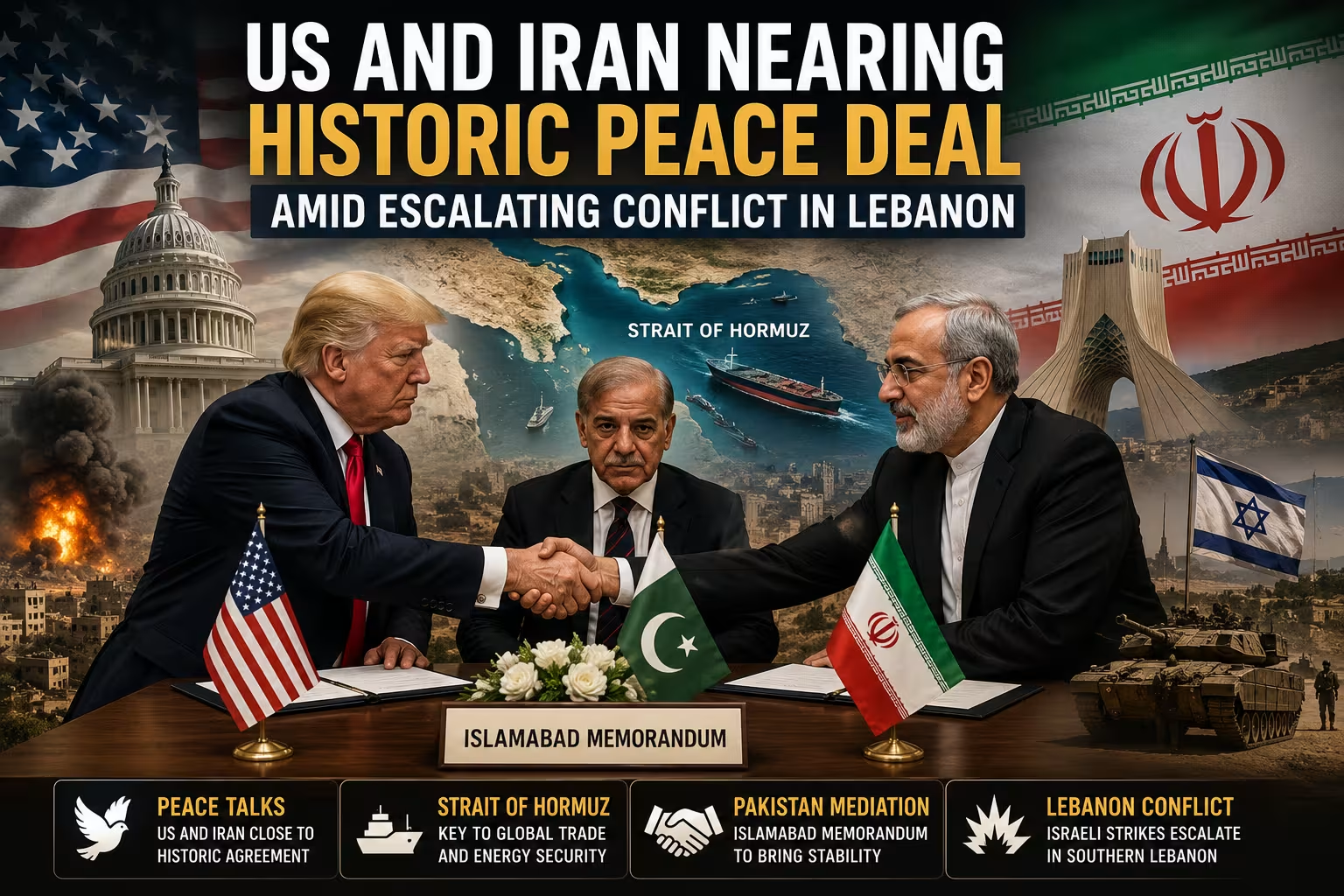
The Middle East stands on the precipice of a major diplomatic breakthrough as the United States and Iran signal that a comprehensive peace agreement is imminent. Following months of intense conflict and regional instability, Pakistani Prime Minister Shehbaz Sharif has announced that a framework for a peace deal has been reached, with a formal signing potentially occurring within 24 hours. However, this diplomatic optimism is starkly contrasted by escalating violence on the ground, specifically in southern Lebanon, where Israeli forces have launched aggressive strikes and issued mass evacuation orders.
Diplomatic Breakthrough: The Islamabad Memorandum
Pakistan has played a central role as a mediator in the negotiations between Washington and Tehran. Prime Minister Shehbaz Sharif confirmed that the final text of the agreement has been reached, and Pakistan is currently preparing for an electronic signing. Following the formalization of the “Islamabad Memorandum,” technical-level discussions are scheduled to take place next week to refine the implementation of the pact.
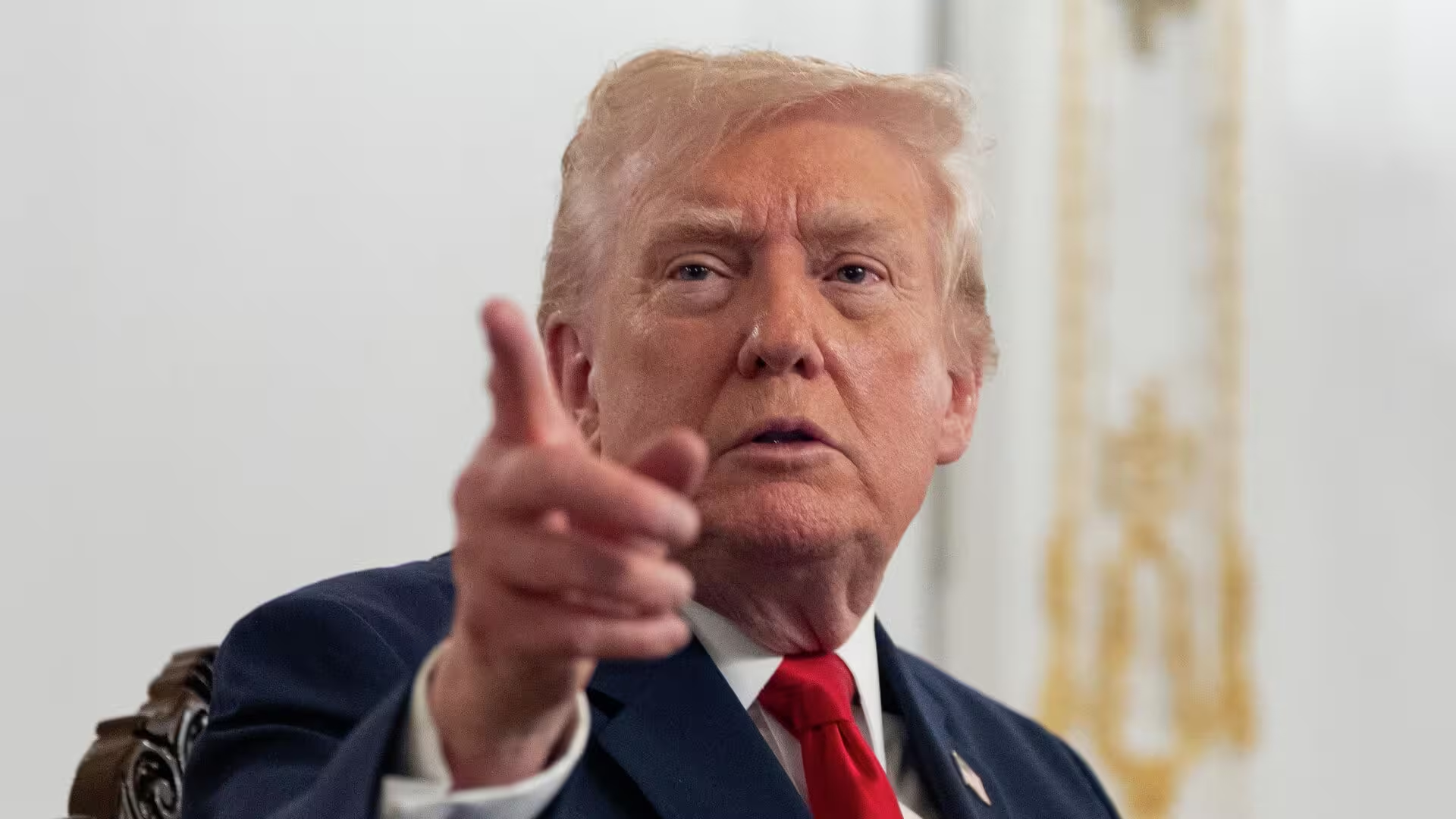
U.S. President Donald Trump has expressed confidence in the deal, asserting via social media that it is scheduled for signing on Sunday. Trump has gone to great lengths to distinguish this new agreement from the 2015 Joint Comprehensive Plan of Action (JCPOA), describing his version as a “wall” against nuclear proliferation.
He claims that under the new terms, Iran will neither develop nor procure nuclear weapons. Interestingly, Trump suggested that the deal would not require Iran to immediately hand over enriched materials, proposing instead that “nuclear dust” would be destroyed by B-2 bombers at a later, more stable date.
Despite the optimism from Washington and Islamabad, Iranian officials have urged caution. Foreign Ministry spokesperson Esmaeil Baghaei contradicted the Sunday deadline, stating that while a signing in the coming days is possible, the exact date remains uncertain due to hesitation from the opposing side. Iranian Foreign Minister Abbas Araqchi, however, maintained that the tentative agreement demonstrates that Iran has emerged as the “winner” of the conflict and noted that the deal is intended to extend a previous ceasefire by 60 days.
Key Terms and Regional Contradictions
While the broad strokes of the deal aim for peace, significant contradictions remain regarding the financial and strategic terms:
- Financial Assets: Iranian sources and spokesperson Baghaei insist that the release of approximately $24 billion in frozen assets is an integral part of the agreement. Conversely, President Trump has publicly claimed that “no money will exchange hands,” mirroring his previous criticisms of cash transfers to Tehran.
- The Strait of Hormuz: A primary objective of the deal is the reopening of the strategic Strait of Hormuz, which Iran has blockaded since February 28. Trump promised the strait would be “open to all” immediately upon signing. Meanwhile, Iran has suggested it may charge for services provided to ensure safe traffic through the corridor.
- Military Presence: Tehran has demanded the total withdrawal of foreign militaries and their bases from the region as a condition for lasting stability.
Escalation in Southern Lebanon
As diplomats negotiate in the background, the humanitarian situation in Lebanon is deteriorating. On Saturday, the Israeli army issued urgent evacuation warnings for more than 20 locations, including the city of Nabatieh. Residents were ordered to move north of the Zahrani River, approximately 45 kilometers from the border, as the IDF declared areas south of the river “combat zones.”
The National News Agency (NNA) reported that Israeli airstrikes hit several targeted villages, including Rihan and Sujud. These strikes are part of a broader campaign to eradicate Hezbollah, an Iranian-backed proxy that has intensified attacks on northern Israel since the regional war began in February. Lebanese authorities have stressed that for any US-Iran peace deal to be effective, Lebanon must be an active participant in the negotiations, as previous ceasefires have largely been ignored by both Israel and Hezbollah.
Iranian Internal Transition
The conflict is unfolding against a backdrop of profound leadership change within Iran. The country is preparing for the funeral services of the late Supreme Leader Ayatollah Ali Khamenei, who was killed during US and Israeli strikes in February. The ceremonies are scheduled to run from July 4 in Tehran, moving through Qom, and concluding with his burial in Mashhad on July 9.
Khamenei was succeeded in March by his son, Mojtaba Khamenei. Reports indicate that the new Supreme Leader has remained in hiding since the onset of the conflict, though any final agreement with the United States requires his ultimate approval.
Conclusion
The Middle East is currently caught between a desperate push for diplomacy and a relentless cycle of military escalation. While the “Islamabad Memorandum” offers a glimmer of hope for the reopening of global trade routes and the cessation of nuclear tensions, the volatility of the Lebanese border and the deep mistrust between Trump and the Iranian regime suggest that a lasting peace remains fragile. The coming days will determine if the region moves toward stabilization or a further descent into total war.
Frequently Asked Questions (FAQ)
When will the US-Iran peace deal be signed?
While US President Donald Trump suggested a Sunday signing, Iranian officials have been more cautious, stating that a deal in the coming days is possible but not confirmed for Sunday.
What happens to the Strait of Hormuz?
The agreement aims to lift the Iranian blockade of the Strait of Hormuz, allowing international shipping to resume. There are ongoing disputes over whether Iran will charge for transit services.
Why is Israel striking southern Lebanon?
Israel is targeting Hezbollah militants, whom they label a terror organization and an Iranian proxy. The strikes aim to neutralize threats to northern Israel following the outbreak of the wider regional conflict in February.
Who is the new Supreme Leader of Iran?
Following the death of Ayatollah Ali Khamenei in February, his son, Mojtaba Khamenei, assumed the role of Supreme Leader in early March.
What is the Islamabad Memorandum?
The Islamabad Memorandum is the proposed peace framework being negotiated between the United States and Iran with mediation from Pakistan. According to officials involved in the talks, the agreement aims to extend the existing ceasefire, facilitate the reopening of the Strait of Hormuz, address sanctions-related issues, and establish a roadmap for broader regional stability.